Category: Blog

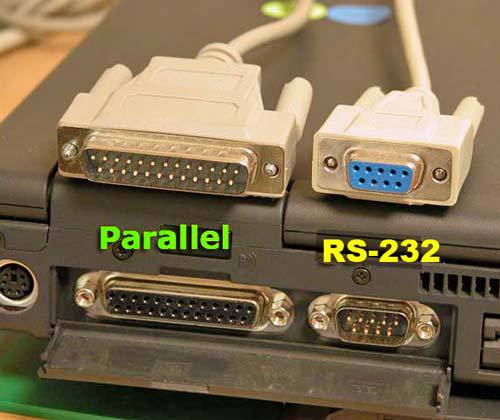
RS-232 Devices

Introduction to RS-232 Devices

Recommended Standard 232 (RS-232) was introduced in the1960s by the telecommunications industry. It defines a simple method for serial communication between a Data Terminal Equipment (DTE) device, such as a computer, and a single Data Communication Equipment (DCE) device, such as a modem or computer peripheral. Originally managed by the Electronics Industry Association (EIA-232), (more...)

USB Graphic

USB Interface Basics

The Universal Serial Bus (USB) originated in 1996 as a way to connect peripherals, such printers and scanners, to a personal computer. Since that time, it has evolved into a broadly used interface on a wide variety of products. (more...)

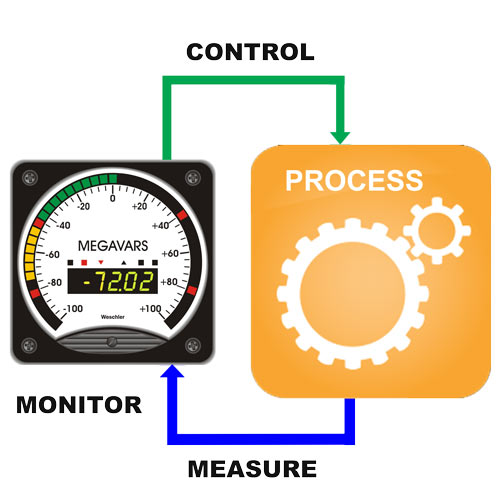
Meter for Process Control

Digital Panel Meters for Process Control

Panel mount digital controllers are commonly used for process control. However, many digital panel meters (DPMs) can also perform process control functions. A panel meter is a good choice when advanced control functions, such as PID, are not required, and on/off or proportional control is sufficient. Why use a panel meter? (more...)

Load Tap Changer

Load Tap Changer Operation and Monitoring

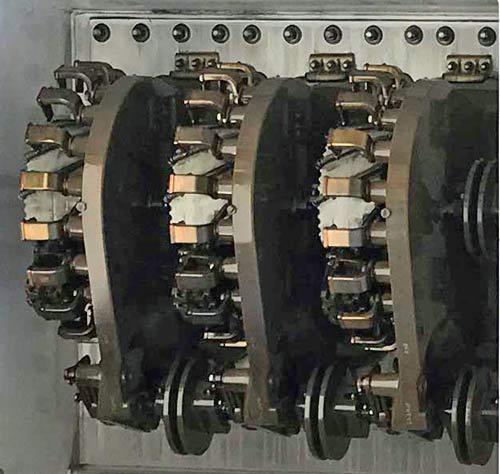
The purpose of a tap changer is to regulate the output voltage of a transformer by altering the number of turns in one winding and thus changing the turns ratio of the transformer. There are two types of tap changers: a de-energized (off-load) tap changer and an energized (on-load) tap changer. (more...)

Pipe Flow

Types of Flow Sensors

Flow is an essential measurement in many industrial processes. In the typical application, a flow sensor is used to determine the volume of liquid or gas that passes thru a pipe, in liters/sec, GPM or similar units. Modern sensors incorporate electronics that can correct for varying pressure, temperature, density, non-linearities, (more...)